Discover Peru’s Lost City of the Incas
Explore the Legendary Wonder Hidden in the Andes
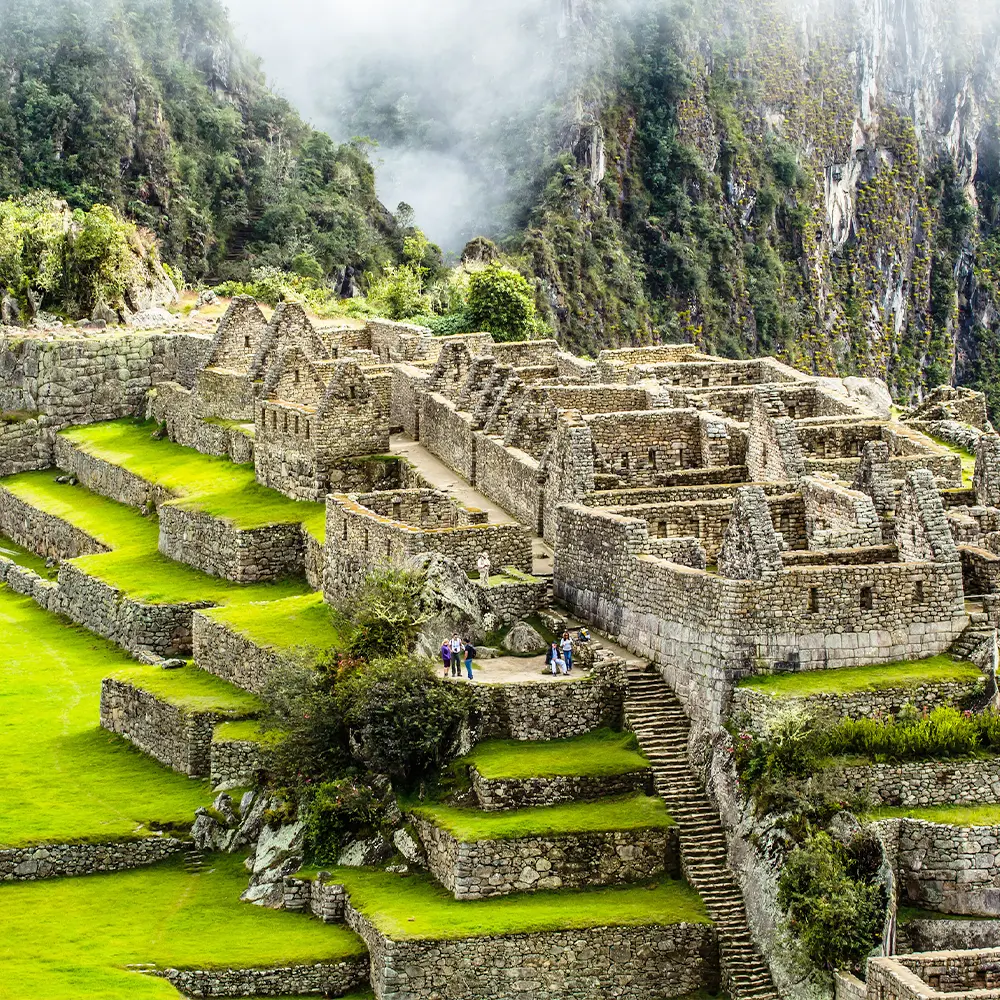
Rising dramatically above the cloud forests of the Peruvian Andes, Machu Picchu is one of the world’s most iconic archaeological treasures and South America’s most extraordinary travel destination. Surrounded by mist-covered mountains, sacred valleys, and ancient stone terraces, this legendary Inca citadel offers travelers an unforgettable journey into the heart of Peru’s history, spirituality, and natural beauty.
Whether arriving through the ancient Inca Trail, aboard a luxury train, or during a tailor-made Peru itinerary, visiting Machu Picchu is a once-in-a-lifetime experience that combines culture, adventure, and awe-inspiring scenery.
Machu Picchu is an ancient Inca citadel built during the 15th century under the reign of Emperor Pachacuti. Perched high above the Urubamba River and surrounded by towering Andean peaks, the sanctuary is widely considered the greatest architectural achievement of the Inca civilization.
Recognized as a UNESCO World Heritage Site and one of the New Seven Wonders of the World, Machu Picchu attracts travelers from across the globe seeking history, mystery, and unforgettable landscapes.
What makes Machu Picchu truly unique is the harmony between nature and architecture. Massive stone structures, agricultural terraces, temples, and ceremonial plazas blend seamlessly into the surrounding mountains, creating one of the most spectacular cultural landscapes on Earth.
Visitors can expect:
Machu Picchu is far more than a famous landmark, it is an emotional and transformative experience that reveals the brilliance of the Inca civilization and the beauty of the Peruvian Andes.
The citadel’s dramatic mountain setting creates one of the most recognizable and breathtaking landscapes in the world. Mist-covered peaks, lush cloud forests, and stone terraces make every viewpoint unforgettable.
The precision of Inca engineering continues to fascinate archaeologists and travelers alike. Massive stones were perfectly cut and assembled without mortar, demonstrating remarkable sophistication.
Machu Picchu offers insight into Inca astronomy, religion, agriculture, and urban planning. Walking through its temples and plazas feels like stepping into a sacred world frozen in time.
The surrounding region remains deeply connected to Quechua traditions. Travelers can experience local markets, Andean gastronomy, traditional weaving, and Indigenous customs throughout the Sacred Valley.
High-end travelers can enjoy:
Machu Picchu is also a gateway to outdoor adventure, including:
Machu Picchu was constructed during the height of the Inca Empire in the 15th century, most likely as a royal estate and ceremonial sanctuary for Emperor Pachacuti.
Historians and archaeologists believe the site held religious, astronomical, agricultural, and political significance. Its strategic location high in the Andes provided both protection and spiritual connection to the sacred mountains surrounding the region.
Following the Spanish conquest, Machu Picchu was abandoned and gradually hidden by dense vegetation for centuries. The site gained international recognition after American explorer Hiram Bingham brought global attention to it in 1911.
Today, Machu Picchu stands as one of humanity’s most important archaeological and cultural treasures.
The cultural heritage surrounding Machu Picchu remains alive through the traditions of the Quechua communities of the Andes.
Travelers can experience:
Important celebrations in the region include:
One of the most sacred structures within Machu Picchu, believed to have been used for astronomical observation and religious ceremonies.
Known as the “Hitching Post of the Sun,” this ceremonial stone is associated with Inca astronomy and spirituality.
An extraordinary example of Inca stonework representing important cosmological symbolism.
The iconic mountain towering behind Machu Picchu, offering challenging hikes and panoramic views of the sanctuary.
Also known as Inti Punku, this spectacular viewpoint marks the traditional entrance for Inca Trail hikers.
A fascinating defensive structure carved into steep mountain cliffs.
The charming town below Machu Picchu, known for its hotels, restaurants, hot springs, and train station.
Experience the wonder of Machu Picchu through carefully crafted journeys featuring scenic train rides, expert guides, and unforgettable views. From luxury experiences to adventurous hikes, every visit reveals the timeless magic of Peru’s most iconic treasure.
Machu Picchu can be visited year-round, but weather conditions vary significantly throughout the year.
The dry season is considered the best period to visit due to:
June, July, and August are the busiest months.
The rainy season brings:
This season is excellent for photography and quieter experiences.
These months offer:
Machu Picchu has a subtropical mountain climate influenced by both the Andes and the Amazon Basin.
Although Machu Picchu sits at a lower altitude than Cusco, travelers should still prepare for moderate elevation changes.
2430 m=7972 ft
Acclimatization recommendations:
Most travelers begin their journey in Cusco.
The most popular and comfortable way to reach Machu Picchu is by train from:
Luxury rail experiences offer panoramic windows, gourmet meals, and premium service through the Sacred Valley.
Adventure travelers can reach Machu Picchu through:
Some alternative routes combine road transportation and hiking from the hydroelectric station area.
From Aguas Calientes, visitors take a shuttle bus or hike up to the citadel entrance.
Bring:
Wi-Fi is available in most hotels and restaurants, though mountain connectivity may vary.
Tipping guides, drivers, and hospitality staff is appreciated throughout Peru.
Machu Picchu is famous for its extraordinary Inca architecture, dramatic mountain setting, and historical significance as one of the world’s greatest archaeological sites.
Yes. Entrance tickets often sell out weeks or months ahead, especially during peak travel season.
Most travelers spend 1 to 2 days visiting Machu Picchu, often combined with time in Cusco and the Sacred Valley.
The main archaeological site is accessible for most travelers, though some hikes involve steep terrain and altitude.
Yes. Machu Picchu is family-friendly and suitable for children when properly supervised.
Luxury train journeys from Cusco or Ollantaytambo are the most comfortable and scenic options.
Absolutely. Machu Picchu is widely regarded as one of the most extraordinary cultural and natural destinations in the world.