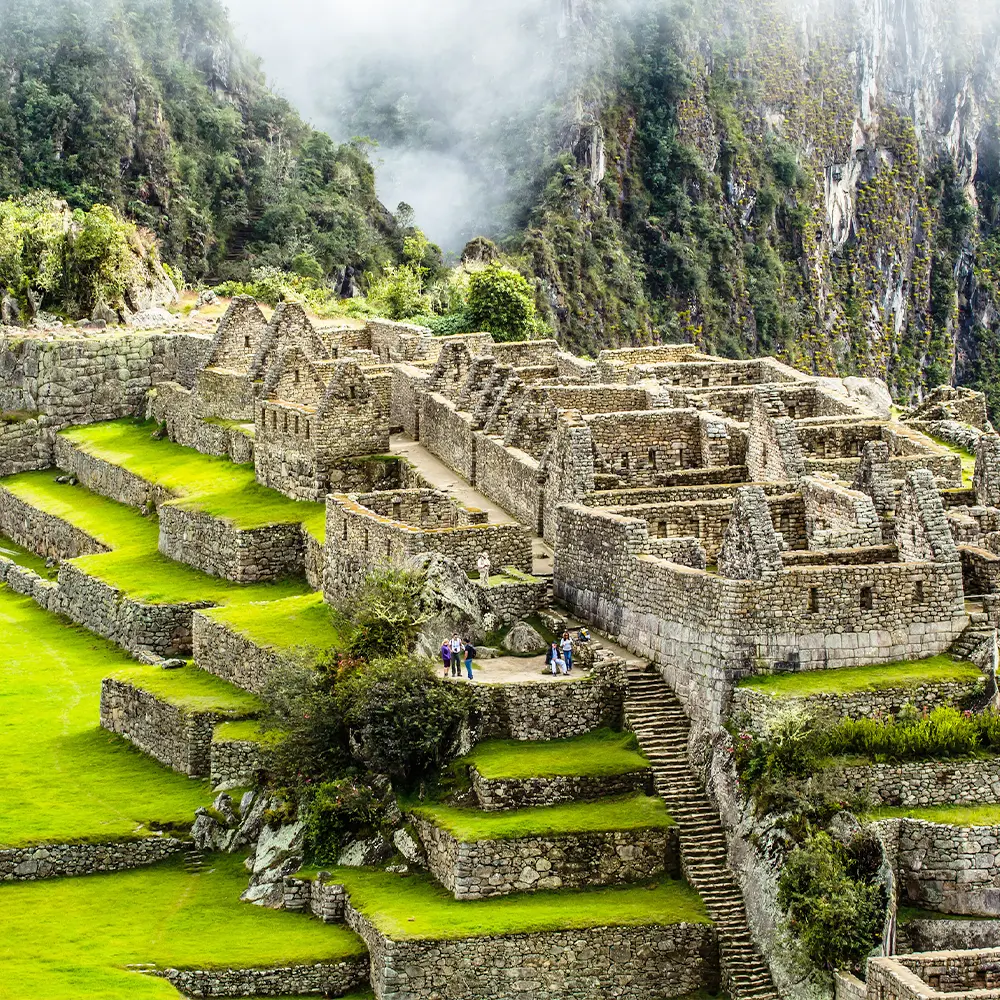
Peru’s Most Iconic Trekking Experience
Walk Ancient Paths Through the Heart of the Andes
Follow the legendary stone roads of the Inca Empire across cloud forests, mountain passes, hidden archaeological sites, and breathtaking Andean landscapes before arriving at the majestic Machu Picchu through the Sun Gate at sunrise. The Inca Trail is far more than a hike, it is an immersive cultural journey through Peru’s living history, combining adventure, spirituality, archaeology, and unforgettable natural beauty.
For travelers seeking an authentic and transformative experience in Peru, the Inca Trail offers one of the world’s most rewarding trekking adventures. From luxury trekking services to private cultural expeditions, this legendary route remains one of South America’s most extraordinary travel experiences.
The Inca Trail is Peru’s most famous trekking route and one of the most celebrated hikes in the world. Stretching through the Andes Mountains near Cusco, the trail follows original Inca pathways that once connected sacred cities and ceremonial centers across the empire.
The classic route covers approximately 42 km (26 miles) over four days and culminates at the breathtaking citadel of Machu Picchu. Along the way, travelers encounter ancient ruins, dramatic mountain scenery, lush cloud forests, and diverse ecosystems inaccessible by road.
What makes the Inca Trail unique is its combination of history, nature, and emotion. Unlike simply arriving by train, hiking the trail allows travelers to experience the gradual spiritual and geographical transition toward Machu Picchu exactly as the Incas once did centuries ago.
Travelers can expect:
The Inca Trail offers an unparalleled combination of adventure, culture, and luxury travel in Peru. It is not simply a trek — it is an emotional journey through the Sacred Andes.
The route traverses snow-capped mountains, subtropical cloud forests, alpine valleys, stone stairways, and mist-covered peaks. Every day reveals a new landscape, making the trek one of the most visually diverse experiences in South America.
The trail itself is a living archaeological monument. Travelers pass through remarkable Inca sites such as:
These ceremonial centers reveal the sophistication of Inca engineering and spirituality.
Trekkers often meet local Quechua porters and communities whose traditions remain deeply connected to the Andes. Traditional farming practices, textiles, music, and spiritual customs continue to shape life in the region today.
High-end travelers can enjoy premium trekking services including:
Entering Machu Picchu through the Sun Gate at sunrise is widely considered one of the greatest travel moments in the world.
The Inca Trail formed part of the vast Qhapaq Ñan, the immense road network built by the Inca civilization across South America. This sophisticated system connected major cities, temples, agricultural centers, and sacred mountains throughout the empire.
The route leading to Machu Picchu likely served religious, administrative, and ceremonial purposes. Many archaeologists believe the trail functioned as a sacred pilgrimage route reserved for nobles, priests, and elite travelers approaching the royal sanctuary.
Following the Spanish conquest in the 16th century, large sections of the network were abandoned and gradually reclaimed by the mountains and jungle. The trail gained international recognition after the rediscovery of Machu Picchu in 1911.
Today, the Peruvian government strictly regulates access to preserve the archaeological sites and fragile ecosystems.
The Andes surrounding the Inca Trail remain deeply connected to Indigenous Quechua traditions.
Travelers may encounter:
Festivals in the Cusco region also enrich the trekking experience, particularly:
The highest point of the trek at 4,215 meters, offering dramatic mountain views and one of the trail’s greatest physical achievements.
One of the most impressive archaeological sites on the route, featuring agricultural terraces, ceremonial fountains, and panoramic mountain scenery.
Known as Inti Punku, this iconic viewpoint offers the unforgettable first panoramic view of Machu Picchu at sunrise.
A mysterious mountaintop ruin believed to have served ceremonial and strategic purposes within the Inca network.
Often called the “Town Above the Clouds,” this remarkable archaeological site overlooks cloud forests and dramatic valleys.
The crown jewel of the trek and one of the New Seven Wonders of the World, famous for its extraordinary architecture and sacred setting.
Follow the legendary Inca Trail and experience one of the world’s most iconic journeys. Whether you choose the classic trek or a more exclusive private option, every step leads to the unforgettable reward of arriving at Machu Picchu through the Sun Gate.
The dry season from May to September is generally considered the best time to hike the Inca Trail.
June and July are especially popular due to stable weather and festivals in Cusco.
The trail closes every February for maintenance and conservation.
These months offer an excellent balance between weather, crowd levels, and photography opportunities.
The Inca Trail features highly variable mountain weather due to changing elevations.
Rainfall is most common between November and March.
Altitude is one of the most important considerations for the Inca Trail.
4215m=13828ft4215\text{ m} = 13828\text{ ft}4215m=13828ft
Trekkers reach elevations above 4,000 meters, which can cause altitude sickness if travelers are not properly acclimatized.
Recommended acclimatization tips:
Most travelers begin their journey in Cusco, the historic capital of the Inca Empire.
Travelers typically fly from:
Many travelers combine the trek with luxury train experiences to or from:
Private transportation connects Cusco with:
Most Inca Trail tours include all transportation logistics.
Bring:
Wi-Fi is available in Cusco and most hotels, but connectivity is extremely limited during the trek.
Tipping guides, cooks, and porters is customary and appreciated on multi-day treks.
The Classic Inca Trail is considered moderately challenging due to altitude and steep sections. Basic physical fitness and acclimatization are highly recommended.
Yes. Permits are mandatory and often sell out months in advance, especially during the dry season.
The classic route is approximately 42 km (26 miles) and usually takes four days.
Yes, many first-time trekkers complete the trail successfully with proper preparation and pacing.
Absolutely. The combination of history, landscapes, archaeology, and the arrival at Machu Picchu makes it one of the world’s most rewarding treks.
Popular alternatives include:
Ideally 4 to 6 months in advance, especially for travel between May and September.