
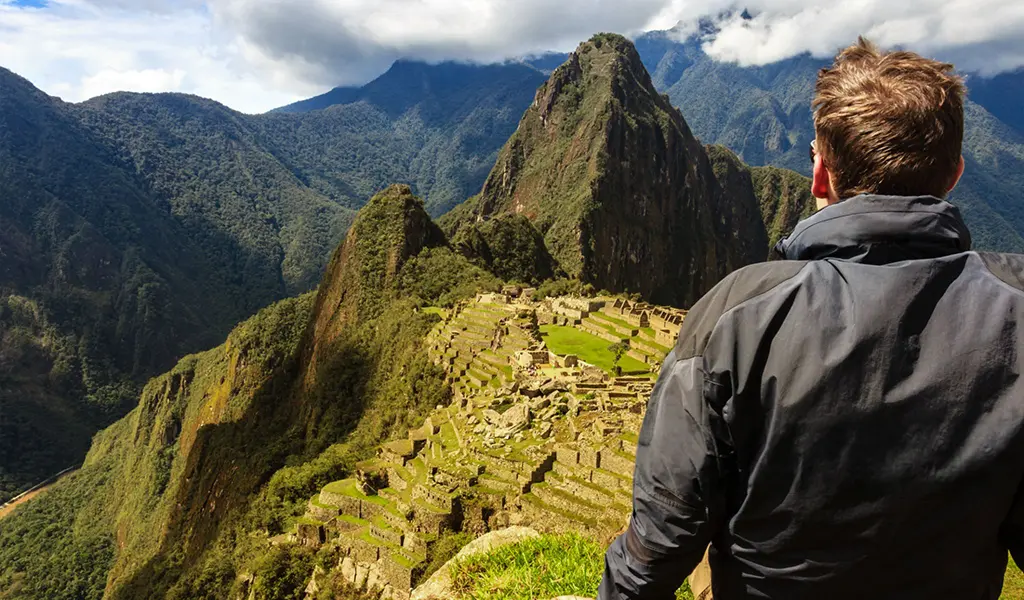
Planning a trip to Machu Picchu involves more than choosing a date and buying an entrance ticket. You also need to decide how to get there, where to stay, which circuit to visit, how much time to spend in Cusco and the Sacred Valley, and how to account for altitude and travel connections.
The good news is that a well-planned trip to Machu Picchu does not need to be complicated. The key is to organize the major components in the right order and leave enough time to enjoy the journey rather than rushing from one connection to another.
Start by Deciding How Much Time You Have
Before booking anything, determine how many days you can dedicate to Peru.
For a first visit, Machu Picchu is usually best experienced as part of a broader itinerary that includes Cusco and the Sacred Valley. A short trip can focus on these highlights, while a longer vacation can add destinations such as the Amazon, Lake Titicaca, or Arequipa.
A practical structure might look like this:
- 4–5 days: Cusco, Sacred Valley, and Machu Picchu
- 6–8 days: Add more time in Cusco and additional Sacred Valley experiences
- 9–14 days: Combine Machu Picchu with another region of Peru
The important point is not to measure the quality of your trip by the number of destinations you visit. Spending an extra day in a place can often be more rewarding than adding another destination and losing time to transportation.
Choose the Best Time for Your Trip to Machu Picchu
Machu Picchu can be visited throughout the year, but weather and seasonal conditions should influence your planning.
The dry season generally offers better conditions for hiking and outdoor activities, while the rainy season can bring more variable weather. The landscape is also particularly green during wetter periods.
Rather than looking for one universally “best” month, consider what matters most to you. If hiking conditions are a priority, weather may carry more weight. If you prefer fewer crowds or have fixed vacation dates, other factors may become more important.
Keep in mind that conditions in the Andes can change quickly. Even during the drier months, it is sensible to be prepared for changing weather.
Book Your Machu Picchu Entry Before Building the Final Itinerary
One of the most important planning decisions is securing your Machu Picchu entry before finalizing the rest of your schedule.
The Peruvian Ministry of Culture currently manages online ticket sales through Tuboleto, the official government platform. When purchasing online, visitors select the Machu Picchu circuit, route, date, and entry time.
This matters because Machu Picchu is not simply one general admission ticket. The current system includes three circuits divided into ten routes. These include the panoramic Circuit 1, the classic Circuit 2, and Circuit 3, which focuses on the royal sector and includes routes associated with Huayna Picchu and other areas. Some routes are available only during the high season.
Which Machu Picchu Circuit Should You Choose?
The right circuit depends on what you want from the visit.
Circuit 2 is an important option for travelers looking for a classic experience of the archaeological site, while Circuit 1 emphasizes panoramic viewpoints. Circuit 3 provides access to the lower and royal sectors and includes routes associated with additional hikes.
If Machu Picchu is the main reason for your Peru vacation, do not choose a circuit simply because its name sounds familiar. Check what each route actually includes before purchasing your ticket.
Ticket availability and visitor rules can change, so always verify the current information through the official Machu Picchu and Ministry of Culture platforms before booking.
Decide How You Want to Get to Machu Picchu
For most visitors, the journey begins in Cusco or the Sacred Valley and continues by train toward Machu Picchu Pueblo, also known as Aguas Calientes.
Your transportation choice should fit your itinerary rather than being treated as a separate booking.
Train to Machu Picchu
The train is the most common option for travelers who want to reach Machu Picchu without completing a multi-day trek.
If you are staying in the Sacred Valley, traveling from there can also make logistical sense. For example, you can explore the valley before continuing toward Machu Picchu instead of repeatedly returning to Cusco.
Hiking to Machu Picchu
Travelers interested in hiking can consider routes such as the Inca Trail or other trekking options.
These experiences require additional planning, including permits, physical preparation, equipment, and more days in the itinerary. If hiking is a major priority, plan the trek first and build the rest of the trip around it.
Spend Time in the Sacred Valley Before Machu Picchu
One of the most common planning mistakes is treating the Sacred Valley as a simple transfer route.
The valley contains important archaeological sites, traditional towns, agricultural landscapes, and opportunities to learn about Andean culture. Spending a night there can also create a more gradual transition between Cusco and Machu Picchu.
A private itinerary can be particularly useful here because you can determine how much time to dedicate to places such as Pisac and Ollantaytambo instead of following a fixed group schedule.
For many travelers, a route such as Cusco → Sacred Valley → Machu Picchu → Cusco creates a logical flow for the journey.
Give Yourself Time to Adjust to Cusco’s Altitude
Altitude deserves serious consideration when planning a trip to Machu Picchu.
Cusco sits at a much higher elevation than Machu Picchu, so arriving in Cusco and immediately scheduling strenuous activities can make the first days unnecessarily difficult.
Consider keeping your first day relatively light. You can use the time to rest, explore at an easy pace, and see how your body responds before adding demanding hikes or long excursions.
This is another reason not to make your Machu Picchu visit the morning after an international arrival. A little flexibility at the beginning of the itinerary can make the rest of the trip considerably more comfortable.
Plan Your Machu Picchu Day Carefully
Your Machu Picchu visit should not be treated as an isolated few hours.
Consider the entire sequence:
- Transportation from your hotel to the train station
- Train journey to Machu Picchu Pueblo
- Transfer toward the entrance
- Your assigned entry time and circuit
- Time to explore the site
- Return transportation
- Your accommodation that evening
This is why adding too many activities to the same day can be counterproductive.
If you are traveling independently, double-check every connection. If your trip is being organized by a local specialist, the different components can be coordinated as one itinerary.
Where Should You Stay?
For a standard Machu Picchu visit, you generally have two practical bases: the Sacred Valley or Machu Picchu Pueblo before the visit, and Cusco afterward.
Staying in the Sacred Valley can make the journey feel more gradual and allows you to explore the region before continuing to Machu Picchu.
Staying in Machu Picchu Pueblo the night before your visit can also simplify the morning, particularly if you have an early entry time.
The best choice depends on your overall itinerary, train schedule, and preferred pace.
What Should You Pack for Machu Picchu?
Pack for changing conditions rather than a single type of weather.
Useful items include:
- Comfortable walking shoes
- Lightweight, breathable clothing
- A waterproof layer
- Sun protection
- Insect repellent
- A small daypack
- Water
- Any personal medications you need
The amount you carry should also reflect the route you have selected. A longer hiking route requires different preparation from a standard archaeological-site visit.
Avoid bringing unnecessary luggage for the day. A compact daypack is much easier to manage on transportation and while walking around the site.
Build the Rest of Peru Around Machu Picchu
If Machu Picchu is the central goal of your vacation, build the surrounding itinerary around it.
For a first visit, Cusco and the Sacred Valley are natural companions. If you have additional time, consider extending your trip to another region rather than trying to squeeze several destinations into the same few days.
For example:
Short itinerary:Lima → Cusco → Sacred Valley → Machu Picchu → Cusco
Longer itinerary:Lima → Cusco → Sacred Valley → Machu Picchu → Cusco → Amazon
The right combination depends on your interests, available time, and tolerance for travel days.
Common Mistakes to Avoid When Planning a Trip to Machu Picchu
Booking everything before checking your Machu Picchu ticket
Your Machu Picchu entry date and route can influence trains, hotels, and transfers. Secure the key visit arrangements first.
Trying to visit Machu Picchu immediately after arriving in Peru
International flights, connections, and altitude can make a tight schedule stressful. Give yourself enough time to adjust and recover.
Choosing a circuit without checking what it includes
The current visitor system is divided into different circuits and routes. Make sure the route you select matches the experience you want.
Underestimating transportation time
A few hours of sightseeing can require a full day once transfers and train journeys are included. Build the itinerary around realistic travel times.
Packing the itinerary too tightly
Leave some breathing room. Peru’s geography and altitude reward a slower approach.
Frequently Asked Questions About Planning a Trip to Machu Picchu
How many days do I need for Machu Picchu?
A visit to Machu Picchu itself can fit into a single day, but most travelers should allow several days for Cusco and the Sacred Valley as part of the overall itinerary.
What should I book first for a Machu Picchu trip?
Start with your Machu Picchu entry, especially if you want a specific date, route, or hiking option. Then coordinate trains, accommodations, and other activities around it.
Is it better to stay in Cusco or the Sacred Valley before Machu Picchu?
Both can work. Staying in the Sacred Valley can create a more gradual route toward Machu Picchu, while staying in Cusco may be more convenient for travelers who want to explore the city first.
Which Machu Picchu circuit is best?
There is no single best circuit for everyone. Circuit 2 is designed around the classic Machu Picchu experience, while other circuits emphasize panoramic views or different archaeological sectors and hiking routes. Check the current route descriptions before purchasing your ticket.
Do I need a guide for Machu Picchu?
A knowledgeable guide can add considerable context to the archaeological site, particularly if you want to understand how the different structures and sectors fit into the history of Machu Picchu.
Can I plan Machu Picchu independently?
Yes, it is possible to organize the trip yourself. However, coordinating tickets, trains, hotels, transfers, and timing can become more complex when you add Cusco, the Sacred Valley, or other destinations. A local specialist can simplify these connections while tailoring the itinerary to your priorities.
Final Thoughts on Planning the Perfect Trip to Machu Picchu
The best trip to Machu Picchu is not necessarily the one with the most activities. It is the one where the important pieces fit together: the right entry route, a sensible transportation plan, enough time at altitude, and an itinerary that gives you space to experience Cusco and the Sacred Valley as well.
Start with your Machu Picchu entry, build the surrounding itinerary around it, and avoid trying to do too much in too little time.
If you would rather have the logistics coordinated around your interests and travel style, Imperial Andes can help design a private Peru itinerary that puts Machu Picchu at the center without making it the only part of your journey.