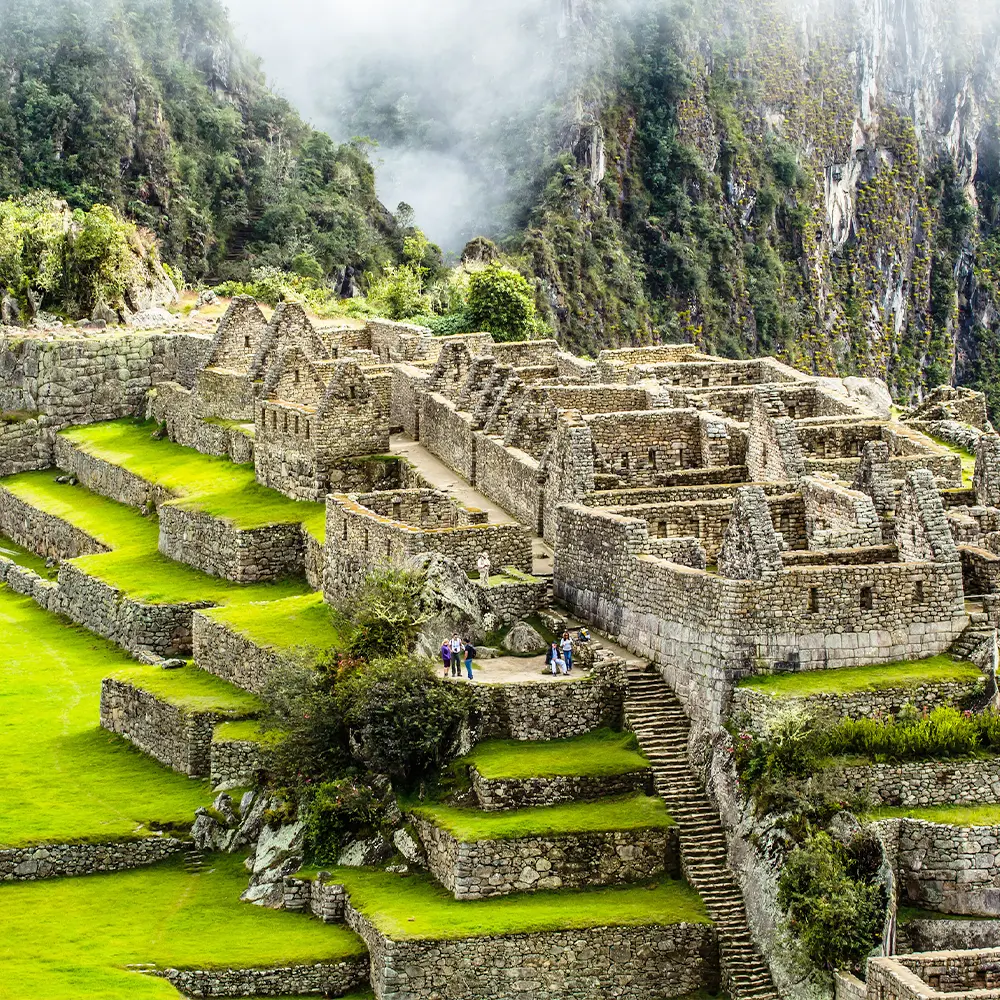
The Historic Capital of the Inca Empire
Discover Peru’s Timeless Blend of Ancient Heritage and Andean Elegance
Surrounded by dramatic Andean mountains and layered with centuries of history, Cusco is one of South America’s most extraordinary cultural destinations. Once the capital of the mighty Inca Empire, Cusco today captivates travelers with its remarkable archaeological heritage, vibrant Indigenous traditions, colonial architecture, luxury hospitality, and gateway access to some of Peru’s most iconic experiences.
From walking through ancient stone streets and exploring majestic temples to enjoying sophisticated gastronomy and luxury boutique hotels, Cusco offers a unique combination of history, culture, spirituality, and adventure.
Whether beginning a journey to Machu Picchu or discovering the heart of the Andes itself, Cusco remains one of Peru’s most unforgettable destinations.
Cusco was once the political, spiritual, and cultural center of the Inca Empire, which extended across much of western South America before the arrival of the Spanish.
Today, Cusco is a UNESCO World Heritage Site renowned for its extraordinary fusion of Inca and colonial architecture, vibrant local culture, and strategic location as the gateway to the Sacred Valley and Machu Picchu.
Travelers visit Cusco for:
The city’s atmosphere is unlike anywhere else in Peru — a place where ancient history and modern luxury coexist among narrow cobblestone streets and spectacular mountain scenery.
Cusco offers one of the richest travel experiences in Latin America.
The city preserves some of the finest examples of Inca engineering and architecture, including temples, ceremonial centers, and perfectly carved stone walls that have survived for centuries.
Cusco’s blend of colonial churches, Spanish mansions, and Inca foundations creates one of the most visually stunning historic cities in the world.
Traditional Quechua culture remains deeply present throughout Cusco through:
Cusco has become one of South America’s premier luxury destinations, offering:
Cusco serves as the starting point for journeys to:
The surrounding Andes provide endless opportunities for trekking, mountain biking, horseback riding, and cultural immersion.
According to Inca mythology, Cusco was founded by Manco Cápac, the legendary first ruler of the Inca civilization.
During the 15th century, the city became the capital of the rapidly expanding Inca Empire and one of the most advanced urban centers in the Americas.
The Incas constructed impressive temples, palaces, roads, and ceremonial sites using extraordinary stone masonry techniques that continue to amaze archaeologists today.
Following the Spanish conquest in the 16th century, many colonial churches and mansions were built directly atop Inca foundations, creating the unique architectural fusion visible throughout Cusco today.
Despite centuries of change, Cusco remains one of the most important cultural and spiritual centers in the Andes.
Cusco’s cultural identity reflects a remarkable blend of Indigenous Andean and colonial Spanish traditions.
Travelers can experience:
One of the city’s most important celebrations is:
the spectacular Festival of the Sun honoring the Inca heritage of the region.
A monumental Inca fortress famous for its enormous stone walls and panoramic views over Cusco.
The most important temple of the Inca Empire, once covered in gold and dedicated to the Sun God.
The historic heart of Cusco surrounded by colonial arcades, churches, restaurants, and cultural landmarks.
An extraordinary colonial cathedral featuring Andean religious art and architecture.
A vibrant traditional market where travelers can experience authentic local life and cuisine.
Cusco’s artistic neighborhood known for artisan workshops, charming streets, cafés, and boutique hotels.
A nearby Andean valley filled with archaeological sites, traditional villages, and luxury lodges.
Explore the ancient capital of the Inca Empire with expertly designed tours that combine history, culture, and adventure. Wander through iconic archaeological sites, experience authentic Andean traditions, and uncover the magic of Cusco at your own pace.
Cusco is best visited during the dry season between April and October.
This period offers:
June through August is peak tourism season.
The rainy season brings:
These months provide:
Cusco experiences a cool mountain climate with significant daytime and nighttime temperature variations.
Cusco’s high altitude can affect travelers arriving from lower elevations.
3399 m=11152 ft
Recommended acclimatization tips:
Daily flights connect Cusco with:
Luxury train services connect Cusco with:
Private transportation and guided tours provide access to:
Bring:
Wi-Fi is available in most hotels, cafés, and restaurants.
Tipping guides, hotel staff, and restaurant servers is appreciated.
Cusco is famous for being the former capital of the Inca Empire and the gateway to Machu Picchu.
Most travelers spend 3 to 5 days exploring the city and surrounding attractions.
Absolutely. Cusco is one of South America’s most historically and culturally significant destinations.
Yes. Due to its high altitude, travelers should acclimatize gradually.
Highlights include:
Yes. Cusco is generally safe for travelers, especially in tourist areas, though standard precautions are recommended.
Private guided tours provide the most enriching and comfortable experience.